This guest commentary by CFC Executive Director Karen Knudsen aired on Montana Public Radio on February 5, 2013.

CFC Executive Director Karen Knudsen
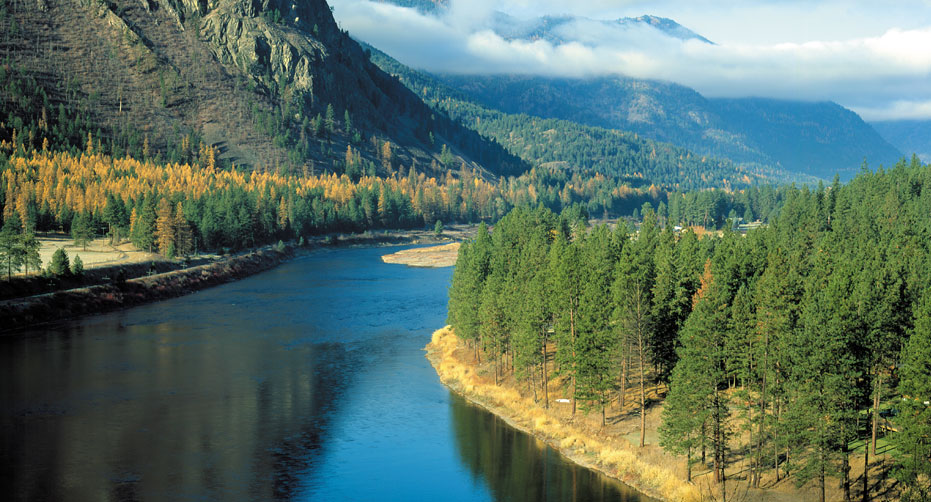
Chances are, you live within short distance of a cold, clear lake, pristine stream, favorite creek, or a scenic river in the Clark Fork watershed. Whether you’re an angler, rancher, or just someone who knows a good thing when they see it, you can appreciate that we have some of the best water around.
But even in this vast 14 million-acre river basin, water is not an infinite resource. In fact, our rivers have taken some pretty hard hits over the last century, and are still facing threats, including drought, pollution, and greater irrigation demands during our now-common record-hot summers.
If we want to continue to have clean and plentiful water, we need to be responsible and thoughtful about how we care for it. That means restoring what has been damaged, sustaining what is still healthy, and preventing further harm.
It also means coming to a common understanding about how we share this critical resource. When, where, how, and how much can our rivers and streams be used? Who can use what, for what purpose, and under what conditions?
Sounds like dry, legal stuff. But when we don’t answer these questions, we put our fish and wildlife, our agricultural resources, our communities, and a big part of Montana’s economic well-being at risk.
For the last several years, the United States government, the State of Montana, and the Confederated Salish and Kootenai Tribes have been grappling with these very tough, and sometimes very contentious questions, as they relate to water on the Flathead Reservation and on ancestral tribal lands.
Recently, a document was released that you’ve probably heard about, called the “Water Rights Compact.” This proposed agreement clarifies water rights, lays out water management systems, and addresses issues that have remained unresolved for far too long in this part of the Clark Fork watershed.
As you may also know, some people have very strong opinions about the agreement. No surprises there. It deals with our water and our future. It crosses physical and political boundaries. It spans nearly 160 years of law, and thousands of years of tradition. It tries to balance ever-increasing human demands with the ongoing needs of fish and wildlife. And not insignificantly, it straddles what can be very deep cultural divides.
The Clark Fork Coalition recognizes just how much is at stake for everyone who will be affected by the Compact. We are also aware of what’s at stake for Montana’s water resources – and the communities they sustain – if this agreement fails. Which is why the Coalition is in full support of the Compact and urges that it be approved this legislative session.
For many years, the Coalition – like many others – has tracked and analyzed the agreement, participated in public meetings, and carefully considered the views of those it impacts. We respect that not everyone agrees with us, and we know the Compact is not perfect. But let me tell you why it has our support.
1. It’s based on sound science. The Compact creates a reliable management plan for every stream, ditch, and reservoir on the Reservation, using 240 months of water data and models that were peer-reviewed by independent technical experts.
2. It’s cost-effective. The Compact will allow long-delayed water use permits to move forward, resolving decades of uncertainty that have inhibited economic growth. It also prevents expensive legal battles over countless water rights across western Montana.
3. It’s based on collaborative input and has been publicly vetted. Nearly a decade of negotiations combined with 100s of public hearings, meetings, and other talks have helped to create one of the most collaborative water rights agreements ever negotiated, including a management board that ensures local oversight of our most valuable resource.
4. It’s good for our water. We have an obligation to be responsible stewards of our water. Without the Compact, we tie up resources that could benefit communities across the Clark Fork basin. Leaving things in limbo is not responsible stewardship. It is time for us to act.
Determining how to use a limited and essential resource is never easy. But it does not have to be ugly. We all agree on the importance of Montana’s rivers and streams. They’re a workhorse for agriculture and industry; they nourish ecosystems and wildlife; sustain us and the communities we live in; provide world-class recreation; and are essential to Montana’s economy. The painstaking work that it takes to protect them has required – and continues to demand – the very best of us. Even when we disagree.
After decades of work, Montanans have crafted one of the most unique and inclusive water agreements ever negotiated, and that’s something we can all be proud of. Let’s celebrate this hard-won accomplishment, do right by our rivers and streams, and support the Compact to ensure clean, reliable water for our communities today, and for generations to come.
On behalf of clean water and the Clark Fork Coalition, I’m Karen Knudsen.